
Cart
0
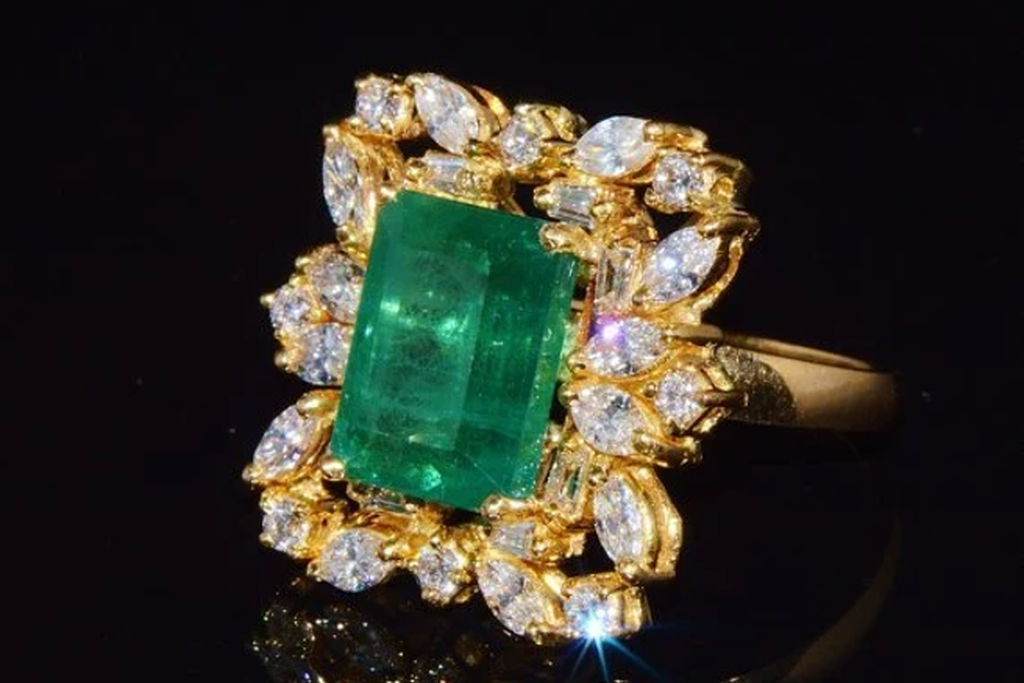

Everything You Need to Know Before Buying an Emerald
With their unmistakable green color, rarity, and natural beauty, emeralds have been treasured for centuries. But choosing a fine natural emerald involves more than simply looking at size and color.
Color, clarity, transparency, treatment, cut, origin, and certification can all influence an emerald's beauty and value.
Whether you're considering an emerald ring, earrings, pendant, or another piece of fine jewelry, here are the most important things to know before buying.

GIA 7.34 Ct Zambian Natural Emerald Diamond Cocktail Ring 18K Gold
1. EMERALD COLOR — WHAT SHOULD YOU LOOK FOR?
Color is one of the most important characteristics of a natural emerald.
Fine emeralds are generally prized for a rich, vibrant green with good saturation and brightness. Some emeralds may have slightly bluish or yellowish undertones.
The darkest emerald isn't necessarily the best. If a stone becomes too dark, it can lose brightness and transparency.
Look for a pleasing balance of rich green color, saturation, brightness, and transparency.

2. EMERALD CLARITY — INCLUSIONS ARE NATURAL
Unlike diamonds, natural emeralds commonly contain visible inclusions and internal fissures.
These natural characteristics are sometimes called “jardin,” the French word for garden, because of the patterns they can create inside the gemstone.
An emerald does not need to be flawless to be beautiful.
Instead, consider how much the inclusions affect its transparency, brightness, and overall appearance. A beautiful emerald can have visible inclusions while still displaying exceptional color and life.

3. UNDERSTANDING EMERALD TREATMENTS
Many natural emeralds have surface-reaching fissures and are traditionally treated with colorless oil or other filling substances to make those fissures less visible. Colorless oil is a standard and general practice and is accepted in the gemstone industry. Resin fillers can also be used, however these are not recommended and can deteriortate over time.
This is a well-known practice within the emerald trade, but the degree of clarity enhancement matters.
A laboratory may describe treatment as:
None → Minor → Moderate → Significant
All other factors being comparable, a fine emerald with minor or no clarity enhancement may command a premium.
However, treatment alone doesn't determine quality. A beautiful emerald with minor enhancement may be more desirable than an untreated stone with poor color or transparency.
The most important thing is proper disclosure.

4. DOES EMERALD ORIGIN MATTER?
Natural emeralds are found in several parts of the world, including Colombia, Zambia, Brazil, Afghanistan, Pakistan, and Ethiopia.
Colombia has an especially famous history of producing exceptional emeralds, while Zambia is another important source of beautiful, high-quality stones.
But origin should never replace quality.
A beautiful Zambian emerald can be more desirable and valuable than a lower-quality Colombian emerald—and vice versa.
For valuable stones where geographic origin significantly affects price, look for an independent gemological laboratory report providing an opinion on origin.


GIA Colombian Emerald Earrings GIA Zambian Emerald Earrings
5. CUT & CARAT WEIGHT — BIGGER ISN'T ALWAYS BETTER
Emeralds are available in many beautiful shapes, including:
Emerald Cut • Oval • Cushion • Pear • Round • Cabochon
A well-cut emerald should display attractive color and brightness when viewed face-up.
Carat weight is important because large, fine-quality natural emeralds can be rare. However, size alone does not determine quality or value.
A smaller emerald with vivid color and excellent transparency can be much more desirable than a larger stone that appears cloudy, overly dark, or heavily included.

6. SHOULD YOU BUY A CERTIFIED EMERALD?
For a significant natural emerald, an independent gemological laboratory report can provide valuable information.
Depending on the laboratory and report type, testing may provide information about:
✓ Natural or laboratory-grown origin
✓ Clarity enhancement
✓ Degree of enhancement
✓ Geographic origin, when determinable
✓ Measurements and identifying characteristics
Well-known laboratories encountered in the fine gemstone market include GIA , AGL.
A laboratory report is different from an appraisal. It identifies and describes characteristics of the gemstone rather than simply assigning it a retail value.

This is a real sample of how GIA Certified Emerald report looks like.

Few things to check in a Certificate.
HOW TO CARE FOR NATURAL EMERALD JEWELRY
Emerald jewelry deserves gentle care.
Because many emeralds contain natural fissures and may have clarity enhancement, avoid harsh chemicals, excessive heat, and aggressive cleaning.
Ultrasonic and steam cleaners should generally be avoided unless a qualified professional determines they are appropriate for the particular emerald.
For routine home care, gentle cleaning with lukewarm water, mild soap, and a soft brush is generally a safer approach.

BUYING NATURAL EMERALD JEWELRY ONLINE
When purchasing emerald jewelry online, look for clear photographs, accurate descriptions, treatment disclosure, independent laboratory reports when available, and a reasonable return policy.
At Exotic Gold Jewelry, we specialize in fine estate and pre-owned jewelry, including natural emerald and diamond jewelry. Our collection features one-of-a-kind emerald rings, earrings, pendants, necklaces, and other fine jewelry, with many significant gemstone pieces accompanied by independent gemological laboratory reports.
Explore our Certified Emerald Collection


www.exoticgoldjewelry.com
Fine Estate Jewelry • Natural Gemstones • Timeless Elegance


